
A visit to a local hospital should be a step toward healing, but for too many in our communities, it is a journey into despair. Recently, the nation watched in shock as the Senate Health Committee toured the Kimalel Health Centre in Baringo South, only to find dilapidated infrastructure, broken theatre beds, and destroyed ceilings infested with snakes that occasionally fall on workers. Despite sufficient funds being allocated by the national government—where even a simple roof repair should not cost exorbitant amounts—the facility remains a hazardous environment.
The root of these stalled projects and dilapidated health centers is not a mystery: 37.1% of residents correctly identify corruption and the mismanagement of funds as the primary cause of failing public works. When basic facilities lack toilets or are left in ruin, it is a clear sign of systemic poor management.
We must make it incredibly clear that corruption and the stealing of resources cannot be allowed to impact healthcare. It is an absolute abomination, particularly because it means taking advantage of sick, vulnerable people who are fighting for their lives.
To transform this broken system into a model of dignified care—a vision aligned with the “Baringo Mpya” movement—we need a radical shift in how healthcare is funded, managed, and delivered. Here are five essential steps to make our healthcare system better:
1. Empower Community Health Promoters (CHPs)
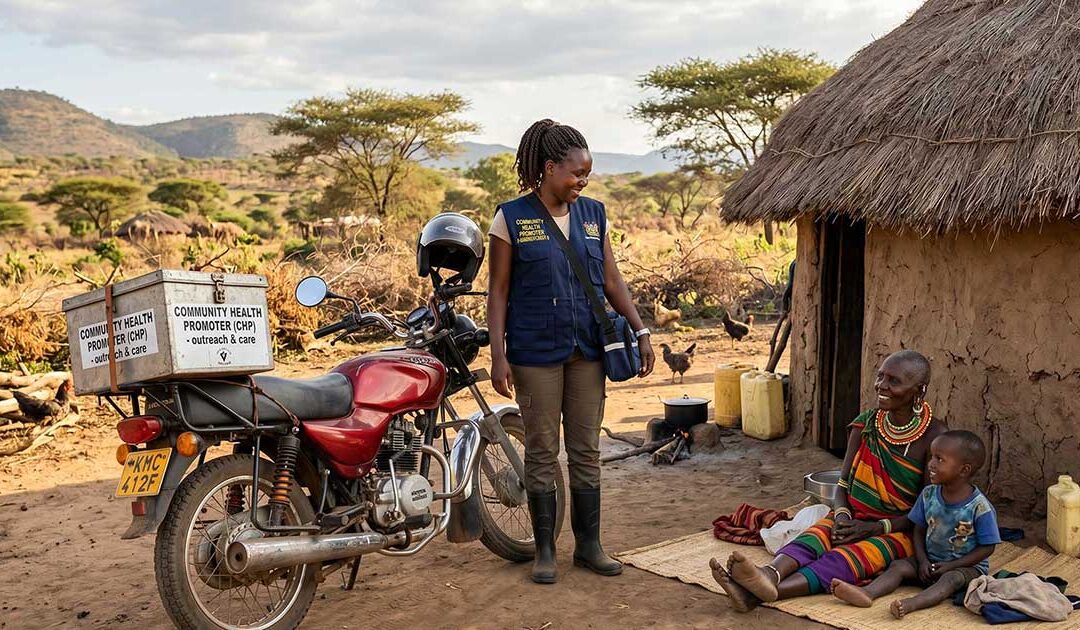
True healthcare starts in the home, which means preventive care must come before curative care. The frontline of this defense is our Community Health Volunteers and Promoters. However, they cannot work on empty promises. We must fully empower them by providing a dignified monthly salary, health insurance, and outfitting them with the necessary medical kits, medicines, and bicycles or motorbikes to easily travel to every household. Currently, a majority of voters demand exactly this kind of support for CHVs to bridge the gap in our villages.
2. Streamline Procurement to Guarantee Stocked Facilities
A hospital building is useless if the pharmacy shelves are empty. We must streamline procurement processes to eliminate the supply chain gaps and ensure that rural dispensaries and hospitals are consistently and fully stocked. No family should have to bear the high out-of-pocket costs of private pharmacies because the public system failed to plan.
3. Enforce Radical Transparency in Healthcare Budgets
To cure the disease of corruption, we must introduce the medicine of radical transparency. The era of secret hospital contracts and diverted funds must end. Every single healthcare contract, budget, and job opening should be publicly posted on noticeboards in every ward. By running an open-book policy, citizens can track exactly where healthcare shillings are going, ensuring that corrupt officials are held accountable and funds are directed to patient care.
4. Invest in Preventive Care and Community Wellness
We must actively support community-led health initiatives that keep people out of the hospital in the first place. A brilliant example is the “football grannies” of Baringo—women over the age of 50 in areas like Marigat and Eldama Ravine who play competitive football to kick out lifestyle diseases like arthritis, high blood pressure, and diabetes. By collaborating across the departments of health, sports, and social services to fund such community wellness activities, we promote active aging and massively reduce the burden on our clinical facilities.
5. Fix Rural Infrastructure and Transport Access
Healthcare access is inextricably linked to infrastructure. For most of the population, the biggest medical challenge is that hospitals are simply too far away or there is no transport. Fixing healthcare means we must prioritize the grading and bridging of rural dirt roads so that an ambulance or a simple vehicle can safely transport a mother or sick child to the hospital during an emergency.
A new, functioning healthcare system is entirely possible. With deliberate funding, zero tolerance for corruption, and a focus on community empowerment, we can ensure that our hospitals are safe havens of healing, not symbols of systemic neglect.